What has been demonstrated?
What works today, under which conditions and with what evidence?
An independent publication about frontier technology
Inference Society is an independent publication built around conversations with the founders, scientists and engineers creating frontier technology. We follow emerging fields across companies and disciplines to understand what works today, what remains unresolved and what comes next.
The inquiry method
METHOD / 001
We compare accounts from the people building, validating, deploying and relying on a technology with published evidence. We show what holds, what conflicts and what remains unknown.
What works today, under which conditions and with what evidence?
What changes when the technology leaves controlled conditions?
What prevents people or institutions from relying on it?
Who benefits, what shifts and what new risks follow?
Fields in view
From neural interfaces and CRISPR to quantum machines and space infrastructure, Inference Society follows fields where a breakthrough raises harder questions than it answers.
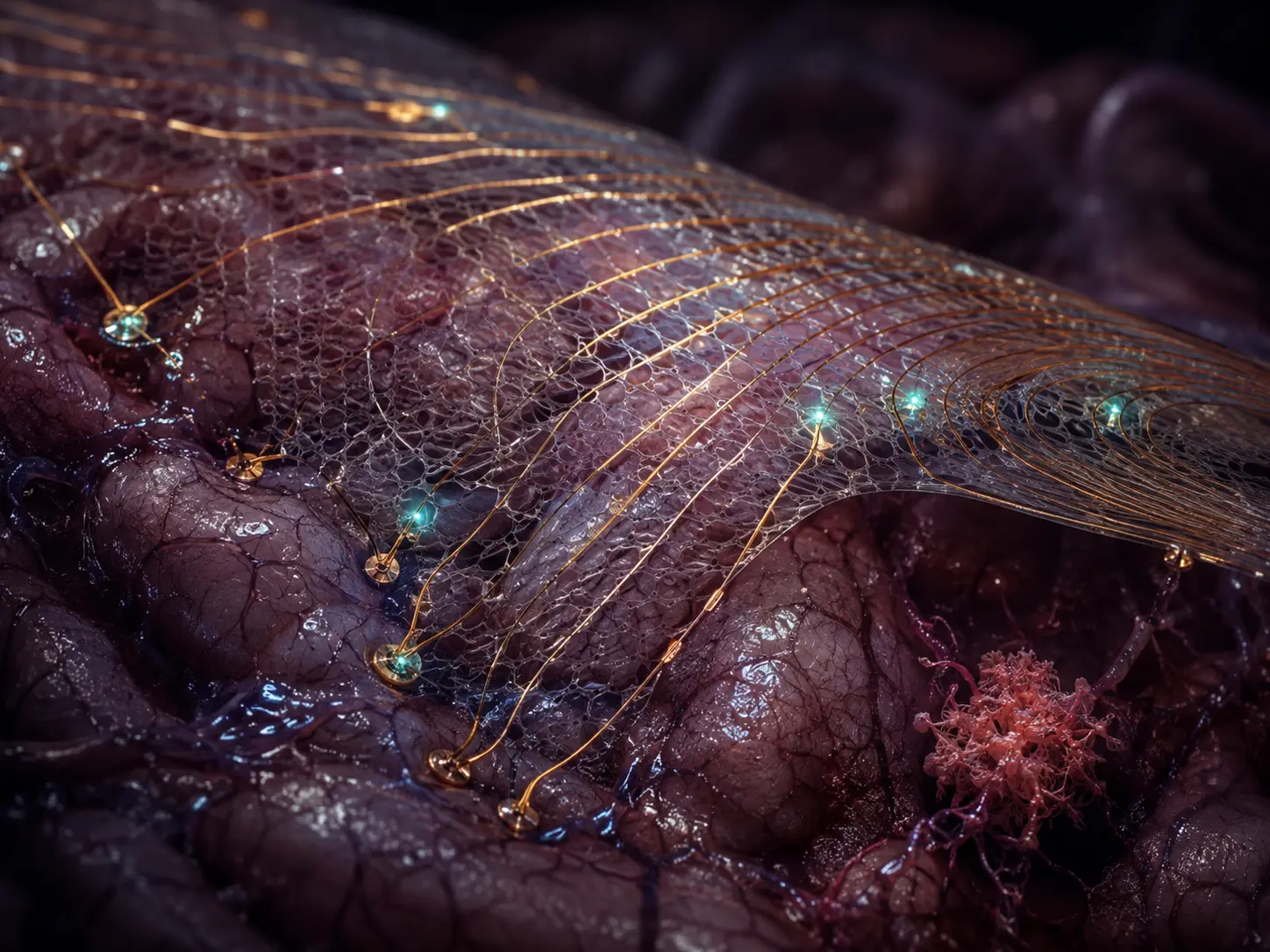
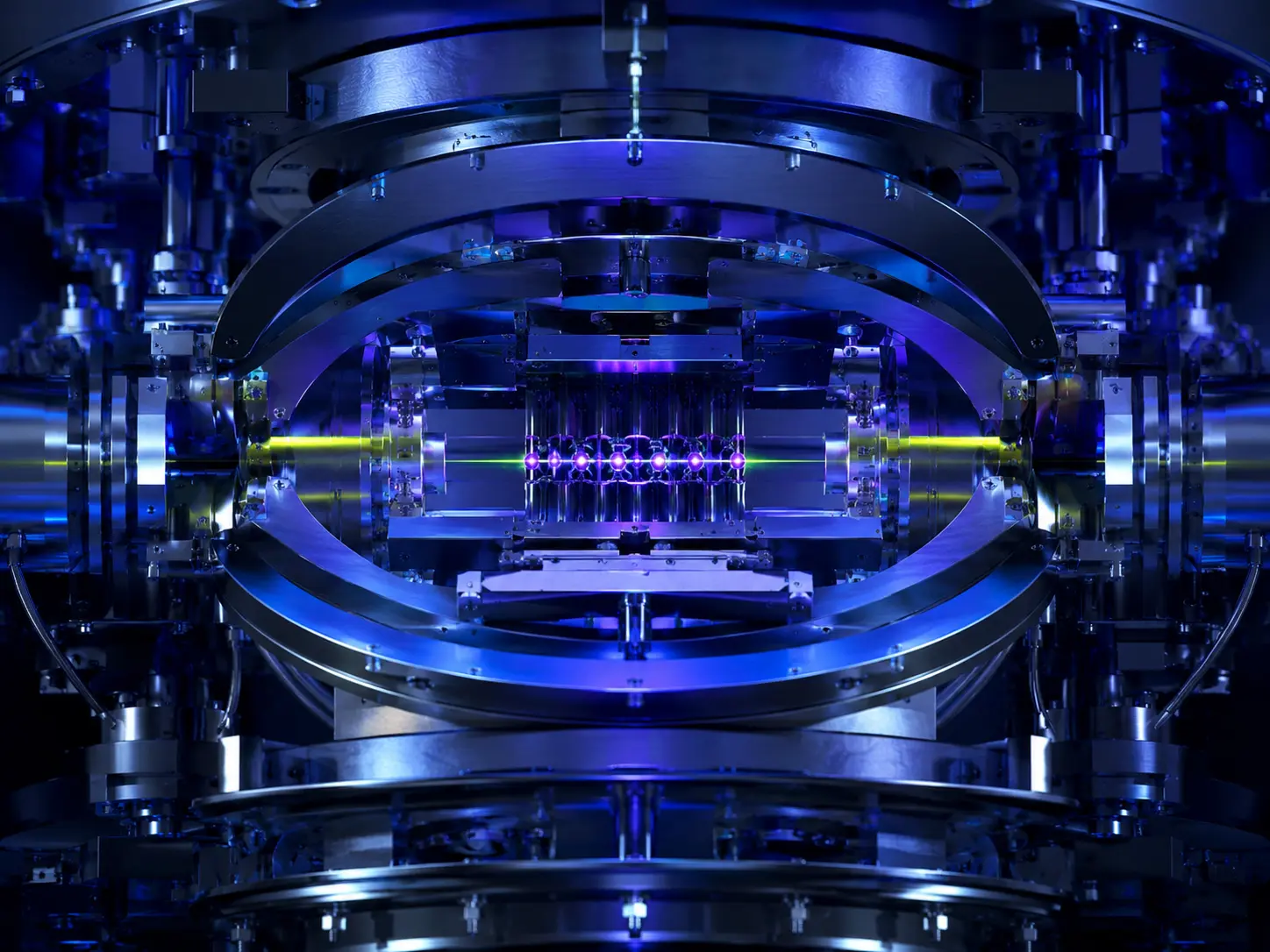
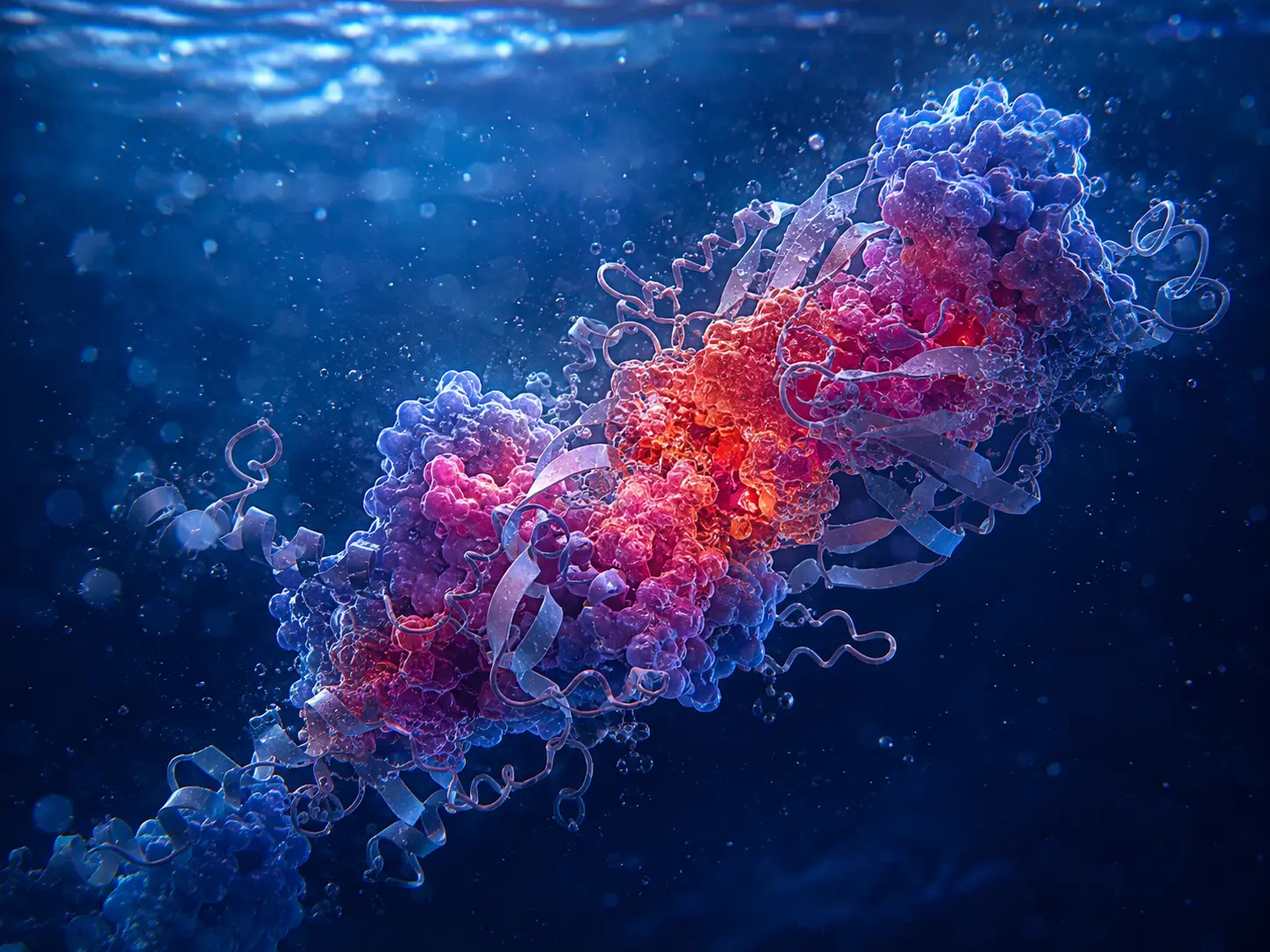

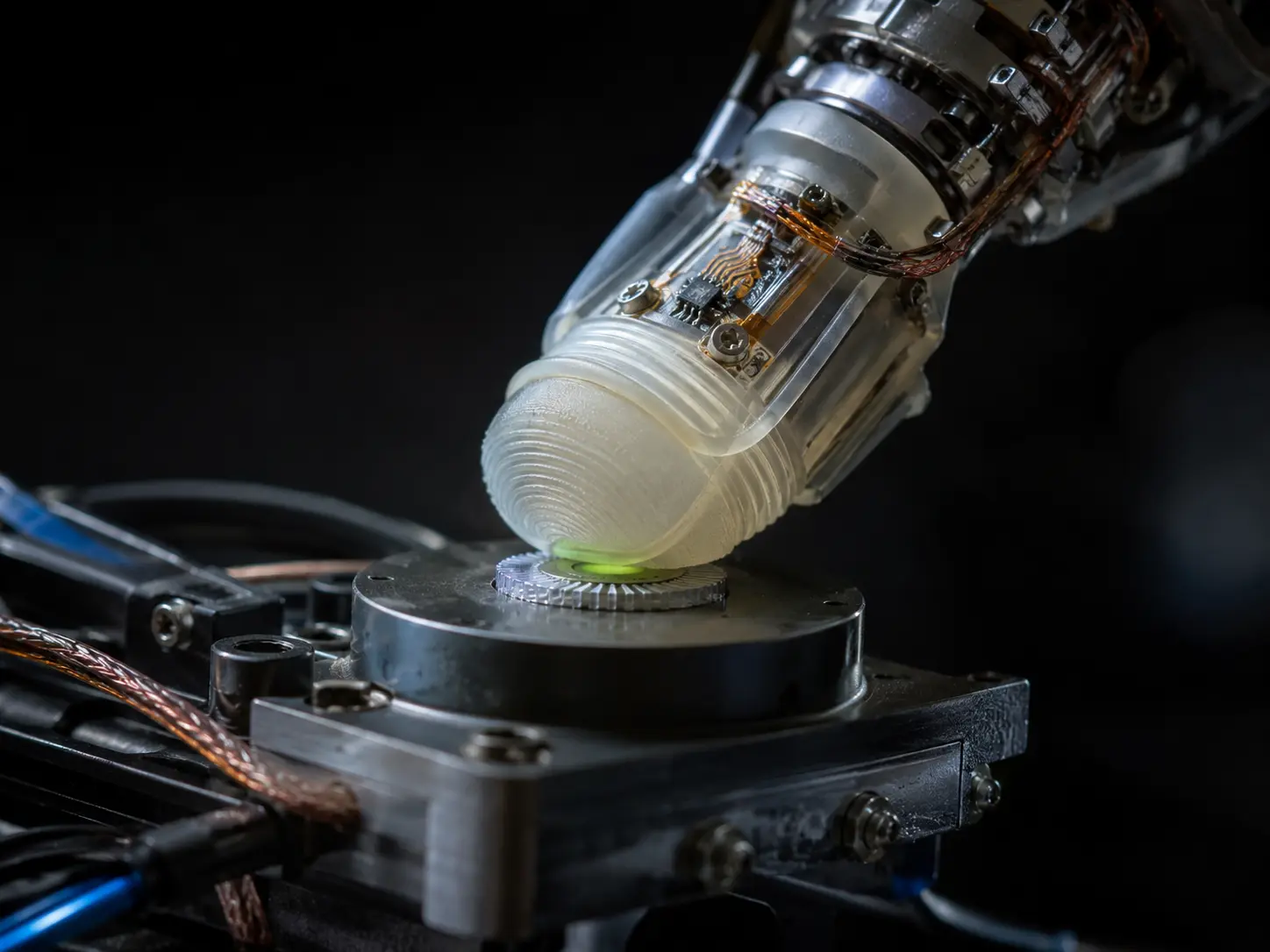

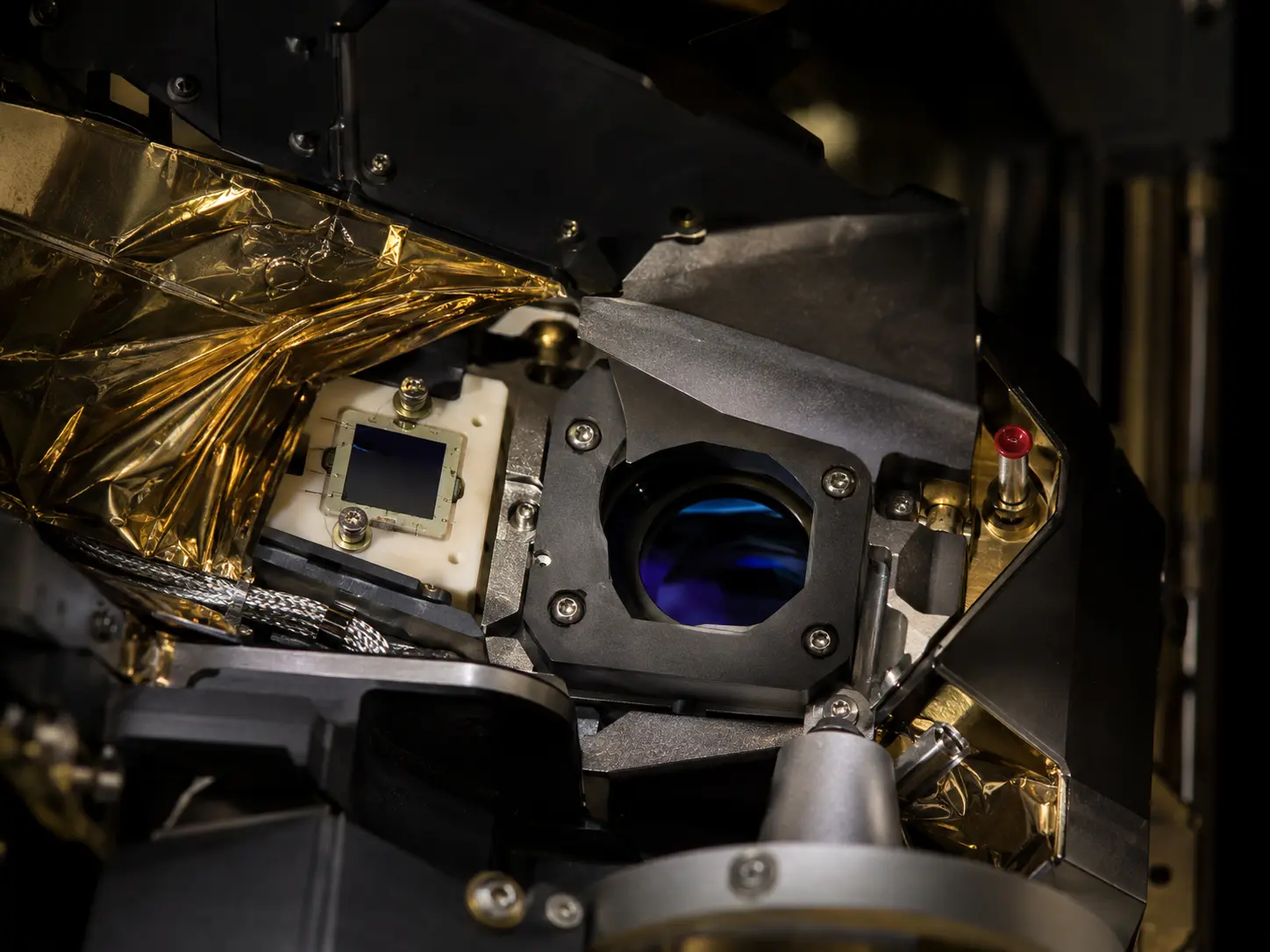
The fields are not a fixed programme. New ones enter when the evidence, timing and people warrant sustained inquiry.
Current research cycle
VOL. 01 / INQUIRY 01 / RESEARCH OPEN
NOW IN PROGRESS
Every builder sees one part of the frontier.
The first inquiry is mapping neural interfaces, measurement, rehabilitation, neuromodulation and brain-inspired intelligence. The conversations will determine which questions deserve deeper investigation.
One participant used the brain-computer interface for communication, computer control and full-time work over 19 months. The study also records the trained setup, wired hardware and research computers required around it.
Contributing to an inquiry
We research your work and the wider field before the conversation. Themes are shared in advance. Inclusion is based on editorial relevance, and the published record is prepared independently.
WHO CONTRIBUTESFounders, scientists, engineers, clinicians and users who can explain a consequential constraint, decision or result first-hand.
Contribute to Inquiry 01 ↗
Founder and host
I founded Inference Society to examine how frontier technologies move from research into use. Every conversation begins with the work itself: its evidence, constraints and surrounding field. Contributors see the themes in advance and review quotations and technical facts before publication.